July 28, 2026
How a glaze is made
A glaze recipe is a few lines on paper: feldspar, kaolin, quartz, a handful of oxides. Yet the same recipe gives two different colours in two different kilns. The deciding factor is not the material but how the heat is spread over time.
The firing curve
In the atelier we take a curve up to 1180 °C over six hours. Reaching the same temperature in three hours makes the glaze pool at the surface and lose its depth. A slow climb gives the oxides time to distribute evenly.
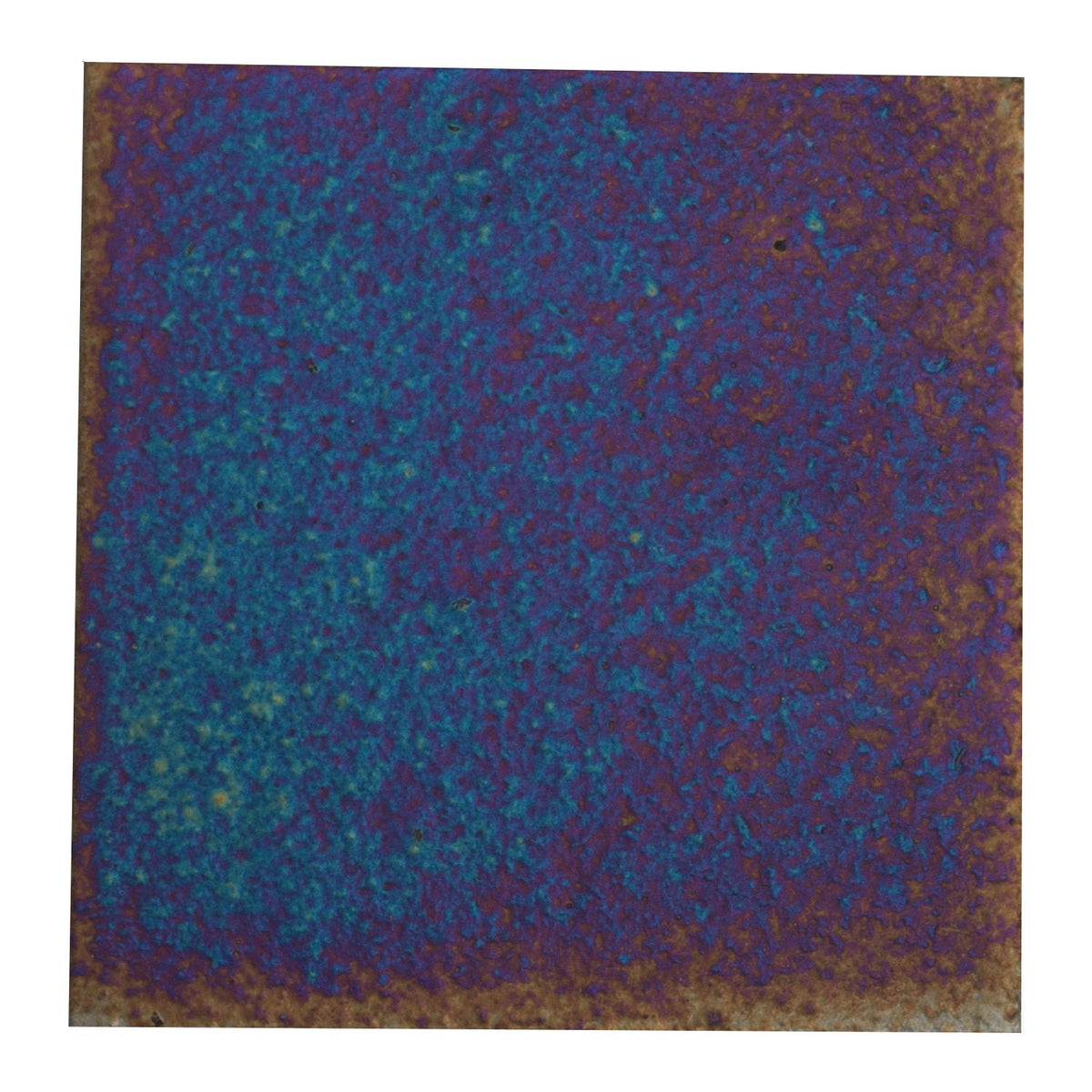
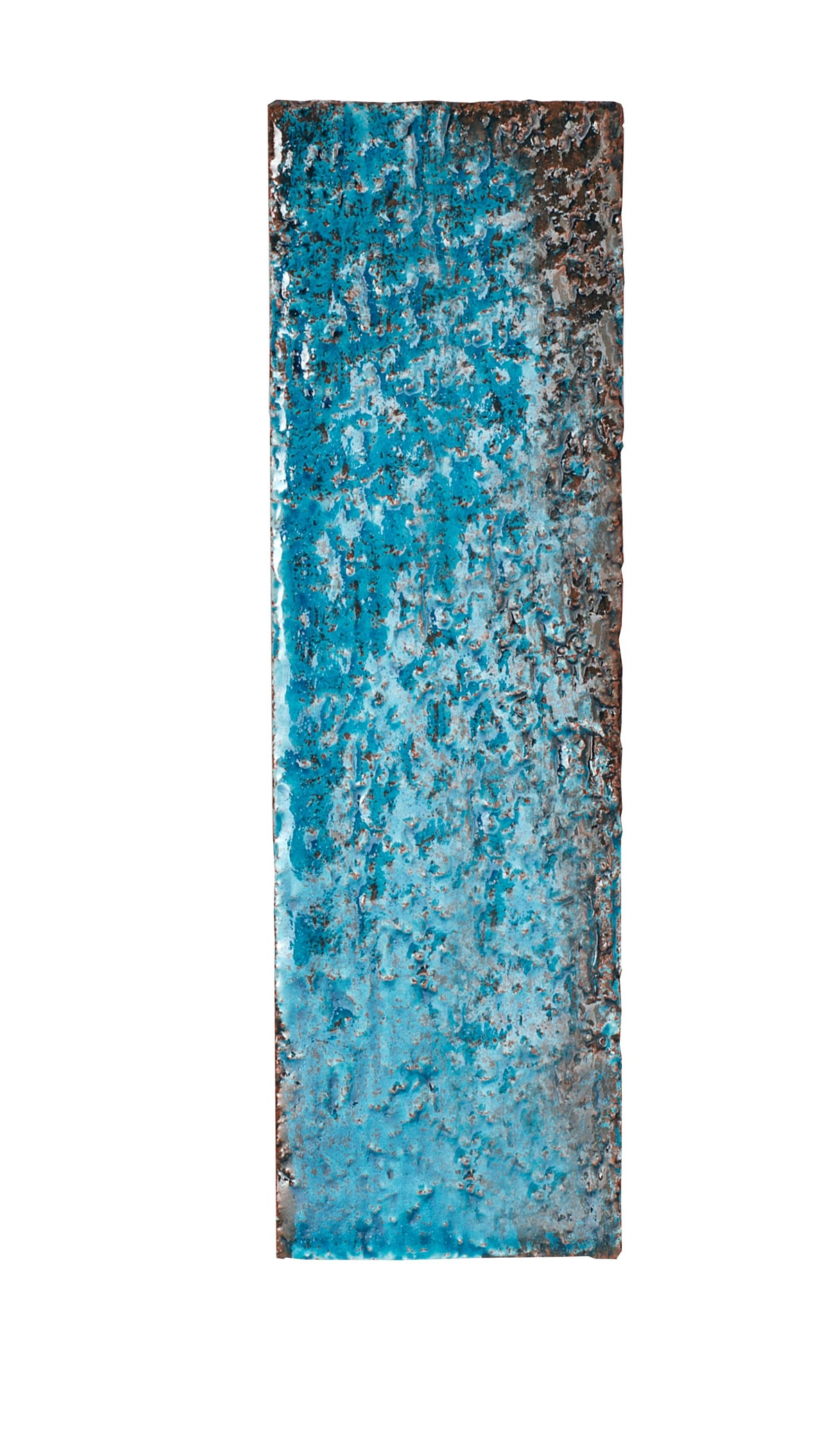
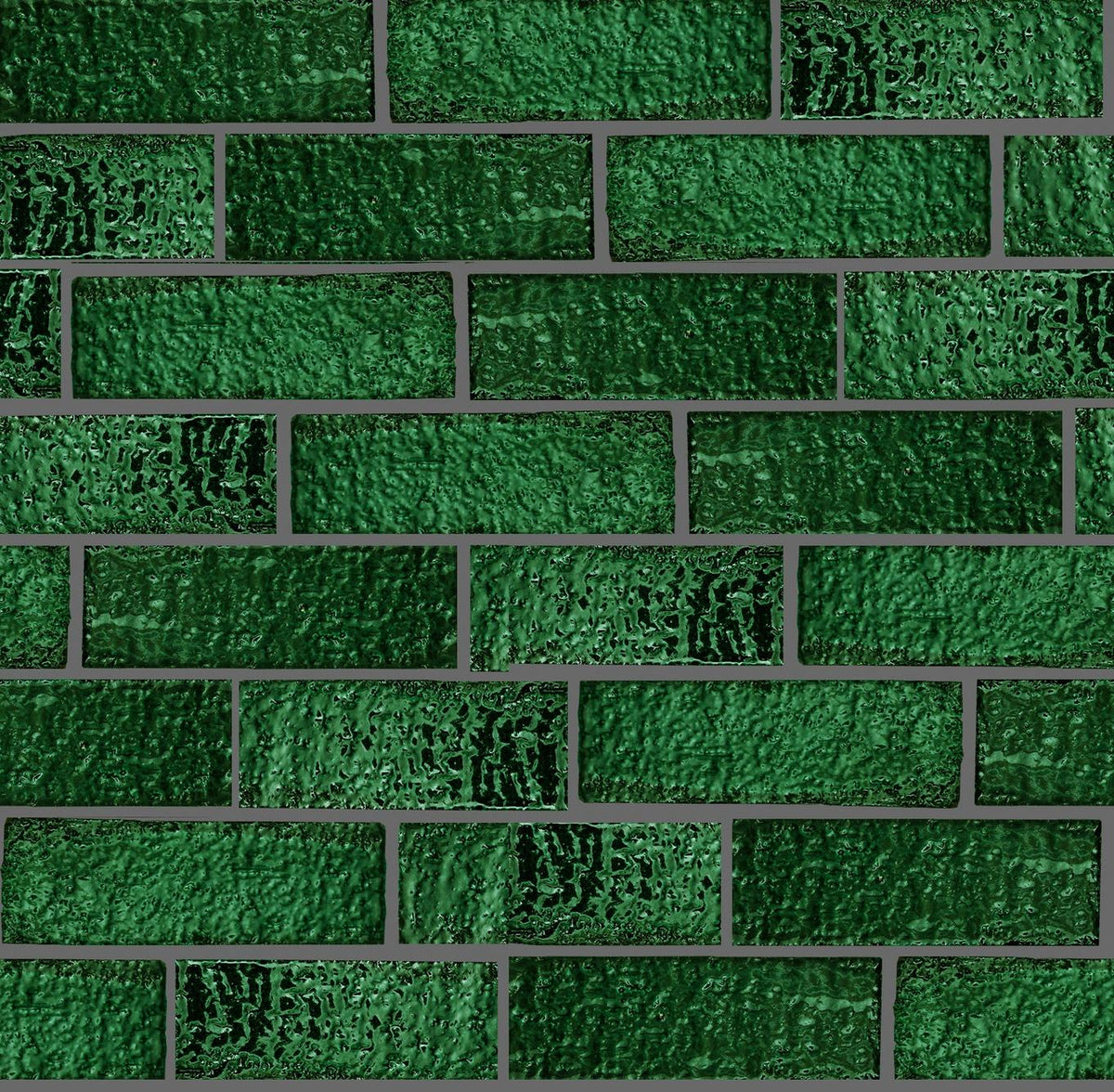
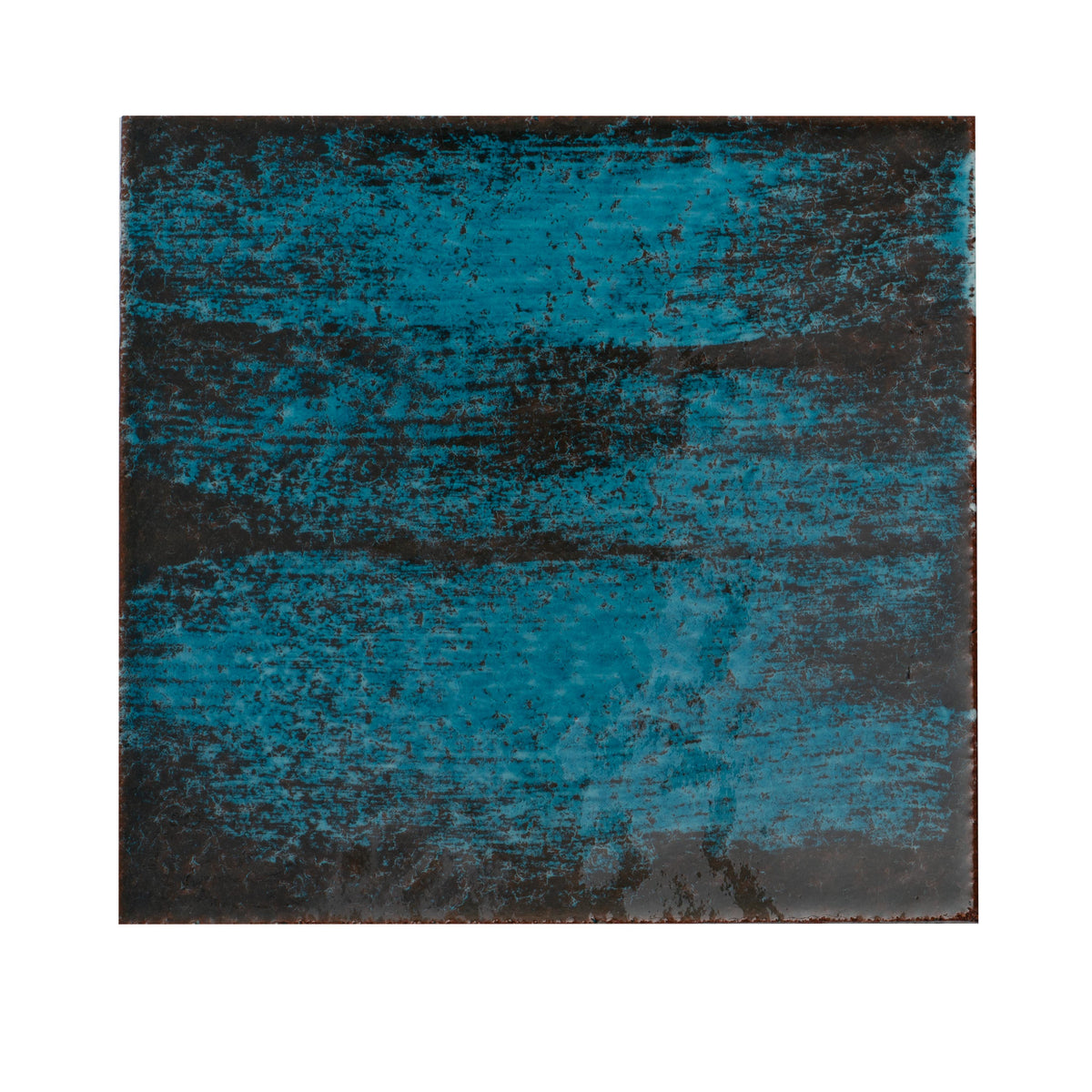
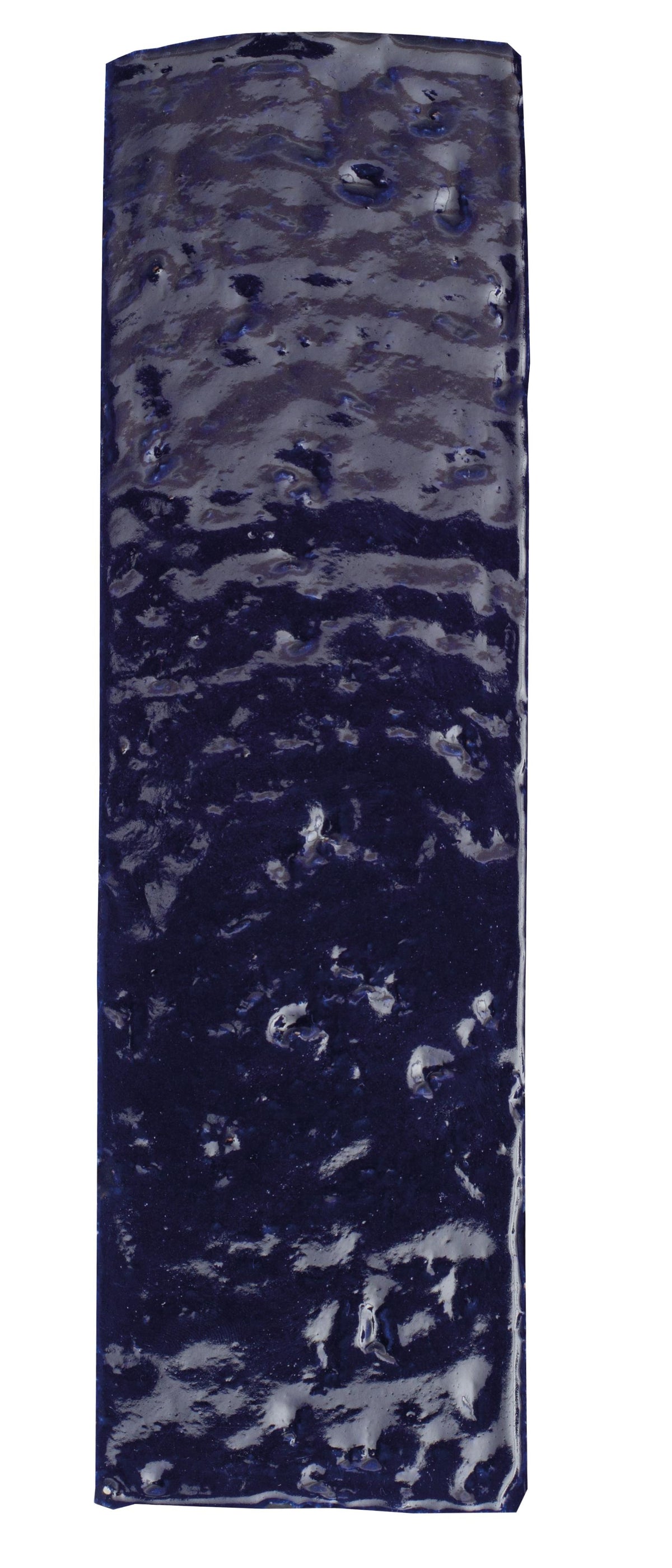
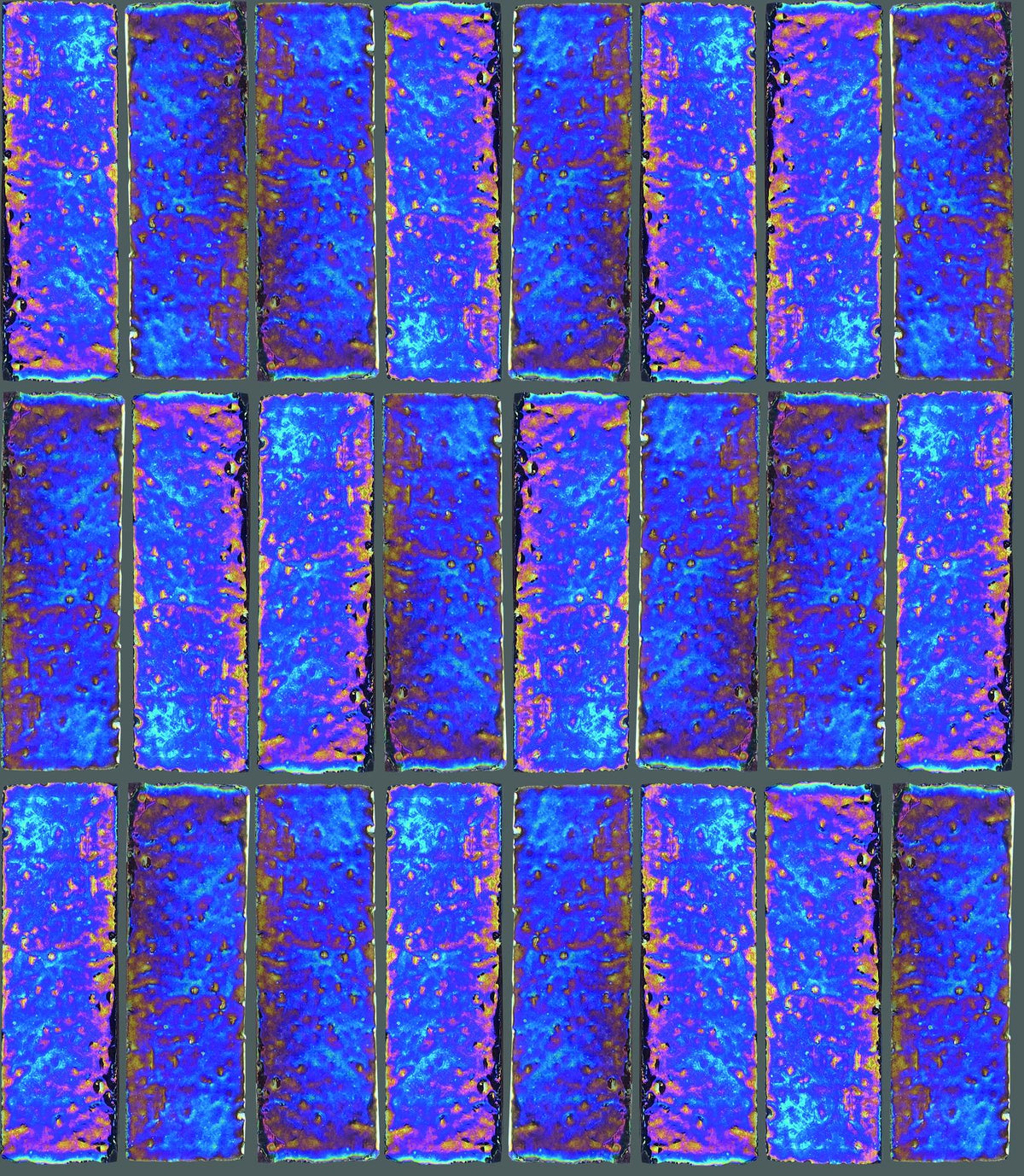
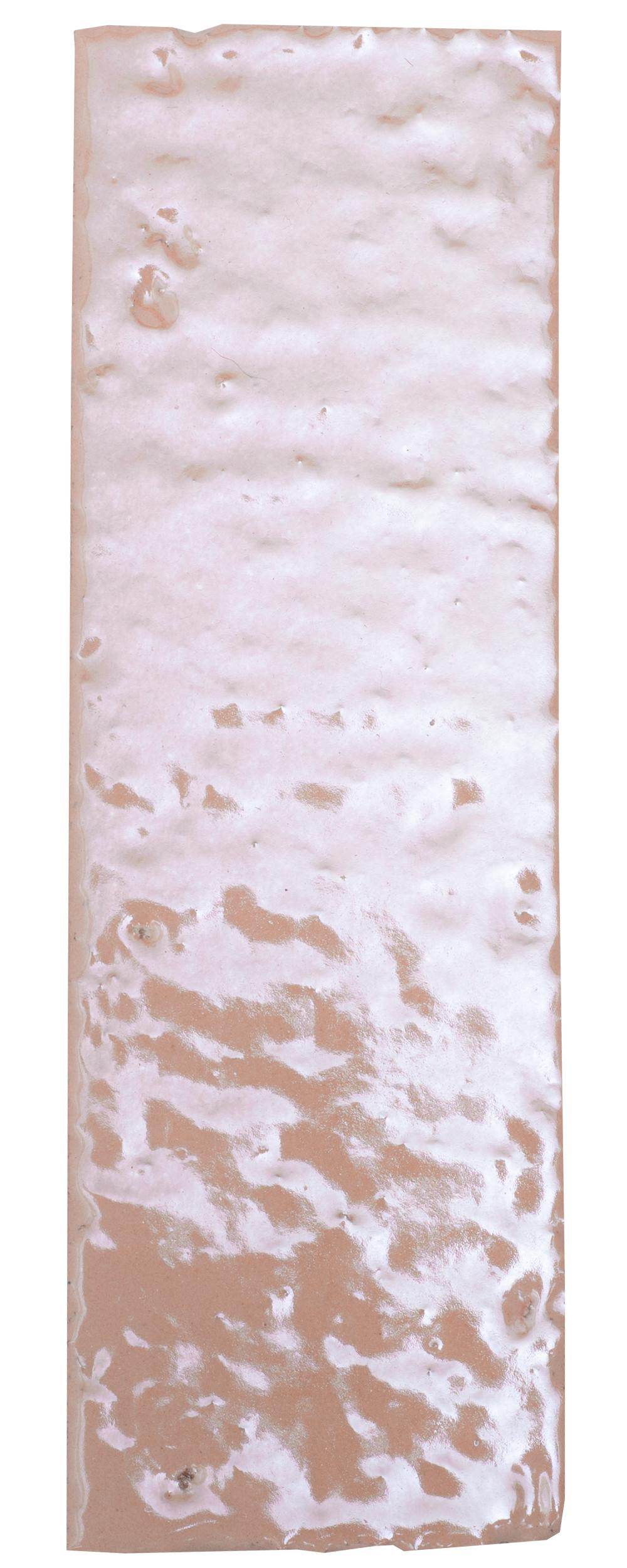
Colour variation is not a defect
Tonal variation is expected in hand-glazed tiles. We recommend mixing the whole batch before installation, so the variation reads as texture rather than fault.